November notebook
A useful pick has to work after checkout
Most shopping decisions do not fall apart because a product lacked a feature. They fall apart at the edges: the delivery driver reaches a narrow stairwell, the new speaker has no sensible way to connect to the rest of the desk, or the shortcut that looked clever on a product page adds another chore to an already full evening.
That is the part we are trying to make visible in our guides. Before a product earns a place in a shortlist, we look for the ordinary constraint that decides whether it is a good fit. It is less glamorous than a headline spec, but it is usually the reason a buyer keeps or returns something.
In this update, we rebuilt the Edifier desk-audio guide around that idea. A compact speaker pair, a powered subwoofer, and a gaming-oriented option no longer sit in one artificial ranking. Each now starts with the problem it is designed to solve: clear desk space, more low-end support for a compatible system, or a practical path around a crowded monitor setup.
1. Can it arrive, fit, and stay where you need it?
Large purchases deserve a small planning session before checkout. A big-screen TV is not only a display decision; it is a route from the curb to the room, a wall or stand decision, and a question about where people will actually sit. Home fitness equipment has a similar reality check. The usable floor area, the storage position, and the path around the machine all matter more than a product photo that floats in a perfect studio.
We try to call out those physical constraints early. It is why the big-screen TV guide leads with room and delivery access, while the home-fitness guide keeps returning to footprint and routine rather than treating every machine as interchangeable.
2. What has to work around it?
Some products are a purchase. Others are a system change. Desktop audio is a good example: a speaker can have plenty of output and still be the wrong choice if the inputs do not match the computer, monitor, console, or television on the desk. A powered subwoofer adds another step because it needs a compatible connection route, not just spare floor space.
The same principle applies to front-door tech. A video doorbell may be a better fit for one home because of wiring, Wi-Fi reach, local recording preferences, or chime compatibility, not because one listing has the longest feature list. These are the checks that take a few minutes before buying and can save a much longer return process later.
- Measure the path to the room, not only the space where the product will end up.
- Trace the cables, outlets, network connection, or accessories the product will depend on.
- Check the exact regional listing. Voltage, bundles, warranty coverage, and availability can change by market.
3. Does it make the routine easier on a normal day?
Convenience products should earn their counter space. For kitchen gear, that can mean looking past a long mode list and asking how many portions fit, where the appliance will live, and whether cleanup fits the way dinner actually happens. For bottle-care products, compatibility, consumables, drying time, and the amount of setup between uses are more useful questions than a broad promise that the device makes life easier.
That does not mean every product needs to solve every problem. It means a guide should name the job it is suited to, then say where the tradeoff sits. A compact option can be a win for a small apartment and a poor fit for a larger household. A feature-rich option can be worth it only when the rest of the setup supports it.
The guides connected to this note
 85-inch vs 100-inch TVs for a UK living room
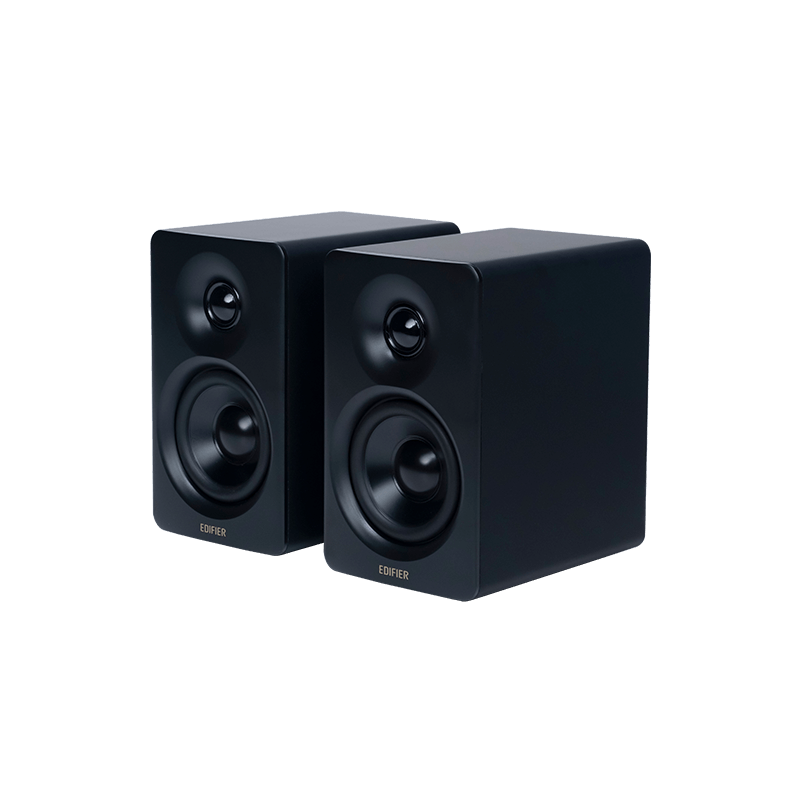 Edifier desk audio: speakers, bass, and gaming setups
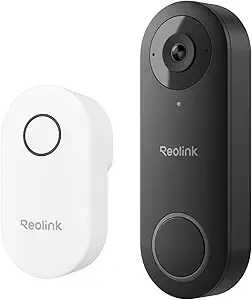 Local recording and setup checks for a video doorbell
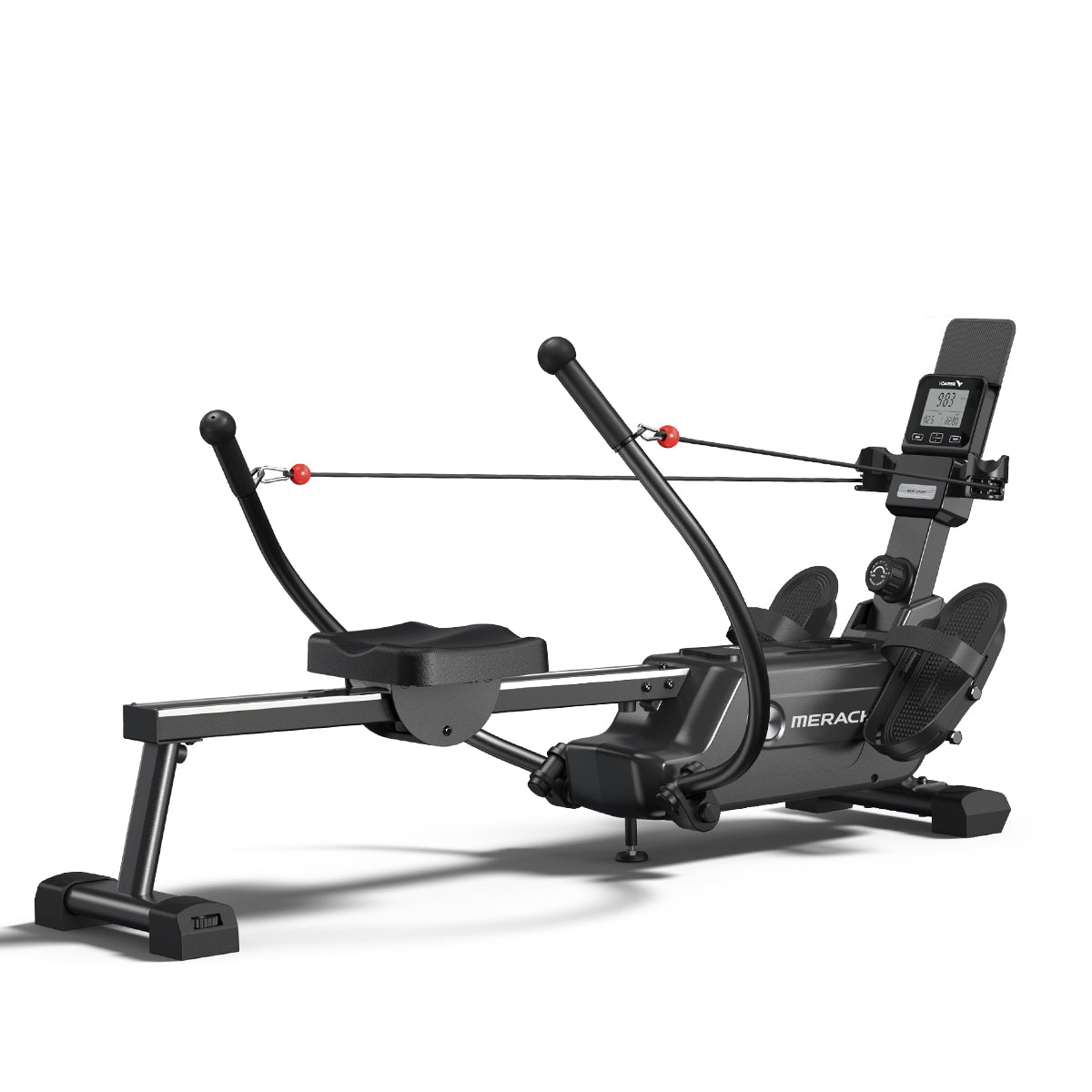 Home fitness equipment for a compact floor plan